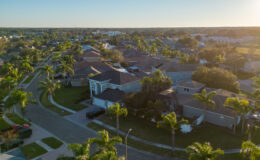
Master planned communities are among the most complex real estate development projects to finance.
Unlike a single-property acquisition or standalone construction project, a master planned community can involve land acquisition, entitlements, infrastructure improvements, residential construction, multifamily development, amenities, commercial components, and multiple phases of construction—all unfolding over several years.
For developers, the financing strategy needs to account for the entire development timeline, not simply the cost of the first phase.
At Magis Funding Solutions, we help developers and investors explore commercial real estate, construction, bridge, multifamily, and other financing solutions designed around the specific requirements of large-scale real estate projects.
What Is Master Planned Community Financing?
Master planned community financing is the process of structuring capital for a large-scale development that will be completed through multiple phases.
A typical master planned community may include:
- Land acquisition
- Land entitlement and development
- Roads and utilities
- Site preparation and grading
- Finished lots
- Single-family residential construction
- Multifamily development
- Commercial or mixed-use components
- Community amenities
- Infrastructure improvements
- Refinancing between development stages
Because these components carry different levels of risk and require capital at different points in the development cycle, developers may need more than one financing solution.
The goal is to create a capital strategy that supports the project from acquisition through construction and stabilization while minimizing unnecessary disruptions between phases.
Why Master Planned Communities Require a Different Financing Strategy
A conventional construction loan may be appropriate for a single building or defined development. A master planned community is different.
The project may span hundreds of acres, multiple phases, multiple builders, and several years of development.
That creates several financing challenges.
1. Land Acquisition and Entitlement Costs
The initial capital requirement often begins well before vertical construction.
Developers may need funding for:
- Land acquisition
- Engineering
- Architectural work
- Environmental studies
- Zoning and entitlement
- Infrastructure planning
- Permitting
- Pre-development expenses
At this stage, the project may not yet generate revenue, making the structure of the financing particularly important.
2. Horizontal Development
Horizontal development can represent a significant portion of the total project cost.
This may include:
- Roads
- Utilities
- Water and sewer infrastructure
- Drainage
- Grading
- Landscaping
- Site preparation
- Lot development
The financing requirements for horizontal development are different from vertical construction because capital is being invested to create finished lots and infrastructure before homes or buildings generate revenue.
3. Vertical Construction
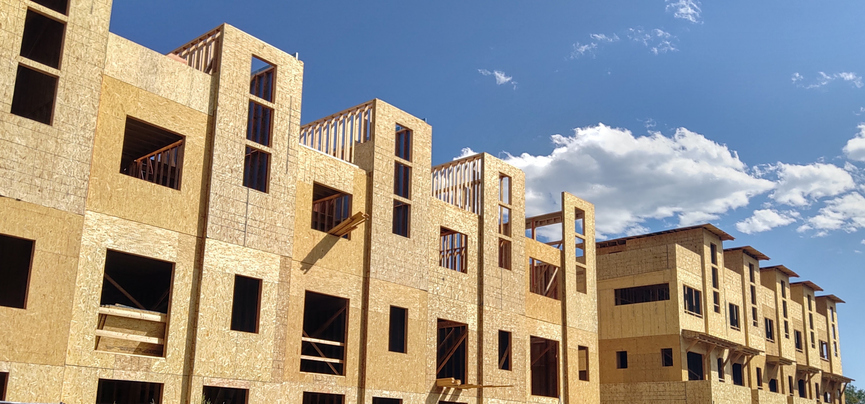
Once infrastructure and lots are ready, vertical construction begins.
Depending on the project, this could include:
- Single-family homes
- Townhomes
- Multifamily buildings
- Retail
- Office
- Hospitality
- Mixed-use properties
At this point, lenders may place greater emphasis on construction budgets, market demand, sales velocity, rental projections, builder experience, and the overall financial strength of the project.
The Capital Stack Can Change Throughout the Project
One of the biggest mistakes developers can make is treating the financing structure as static.
The capital needs of a master planned community can change dramatically from the initial land purchase through final stabilization.
A developer may use different financing strategies for different stages of the project.
Land Acquisition Financing
The first objective may be acquiring the property and completing the necessary entitlement and development work.
Depending on the project and borrower profile, financing may involve traditional commercial real estate financing, private capital, bridge financing, or other structured solutions.
Construction Financing
Once the project reaches the construction stage, a construction facility can provide capital for eligible development and building costs.
Magis Funding Solutions offers construction financing for qualifying commercial real estate projects and ground-up development.
Bridge Financing
Bridge financing can be useful when a developer needs short-term capital to move a project forward while waiting for a longer-term financing event, sale, stabilization, or another source of capital.
Bridge loans may be used for acquisitions, refinancing, renovations, construction, and other time-sensitive real estate strategies. Magis offers bridge financing programs for commercial and multifamily properties, with available structures varying by transaction.
Permanent or Long-Term Financing
As portions of a community become completed and stabilized, the financing strategy may transition toward longer-term debt.
For income-producing components such as multifamily, rental housing, or commercial properties, permanent financing can potentially replace short-term construction or bridge debt once the property meets the appropriate underwriting requirements.
Absorption Matters as Much as Construction
One of the most important considerations in a master planned community is absorption.
A development may have an excellent construction budget and strong projected returns, but the timing of sales or lease-up can dramatically affect the project’s cash flow.
For example, a developer may anticipate selling 20 homes per month. If actual absorption is only 10 homes per month, capital remains tied up longer than expected.
That can affect:
- Interest expense
- Construction schedules
- Lot releases
- Builder commitments
- Cash reserves
- Equity requirements
- Refinancing timelines
This is why financing should be evaluated alongside the project’s sales and absorption strategy.
Structuring Draws Around the Development Timeline
Construction financing is typically funded through draws rather than providing all capital at closing.
For a large-scale development, the draw structure needs to reflect the actual construction schedule.
Draws may be connected to milestones such as:
- Site work completion
- Infrastructure installation
- Lot completion
- Vertical construction milestones
- Inspections
- Builder takedowns
- Certificate of occupancy
- Property stabilization
A financing structure that does not align with the project’s construction schedule can create unnecessary delays and increase carrying costs.
Developers should understand how the lender handles inspections, draw requests, construction advances, interest reserves, and changes to the project budget before closing.
Financing Multiple Phases Without Losing Momentum
A master planned community can take years to complete.
That creates a significant question for developers:
What happens when Phase I is complete and Phase II begins?
Ideally, the financing strategy should anticipate these transitions before they become a problem.
Developers should evaluate whether their financing structure can accommodate:
- Additional phases
- Increased construction costs
- Changes in market conditions
- Slower or faster absorption
- Additional collateral
- Refinancing requirements
- New builder relationships
- Changes in the development schedule
The objective isn’t necessarily to force every phase into one loan. Instead, it is to build a financing strategy where each stage of the project has an appropriate source of capital.
What Lenders Look for in a Master Planned Community
Large development financing requires a detailed understanding of both the project and the development team.
Lenders may evaluate:
Developer Experience
Experience developing comparable projects can be an important consideration.
A developer should be prepared to demonstrate previous experience with:
- Land development
- Construction
- Residential development
- Multifamily
- Commercial real estate
- Large-scale projects
Development Budget
The lender will typically want to understand the total project cost and how the budget is allocated.
This can include:
- Land
- Hard costs
- Soft costs
- Infrastructure
- Professional fees
- Contingencies
- Financing costs
- Reserves
Market Demand
The project’s location and market fundamentals are critical.
Underwriting may consider:
- Comparable sales
- Rental demand
- Population growth
- Employment
- New construction
- Competing inventory
- Pricing
- Absorption projections
Equity
Developers should have a clear understanding of their required equity contribution and how equity will be deployed throughout the project.
Exit Strategy
Every financing structure needs a realistic repayment strategy.
Depending on the project, the exit could involve:
- Property sales
- Lot sales
- Builder takedowns
- Permanent financing
- Portfolio refinancing
- Stabilization and long-term ownership
- Sale of the completed project
Questions Developers Should Ask Before Selecting a Lender
Before committing to a financing partner, developers should look beyond the interest rate.
Consider asking:
Can the lender finance the size and complexity of the project?
A lender may be excellent for smaller commercial transactions but not have the capital capacity or infrastructure required for a multi-phase development.
How are construction draws handled?
Understand the process, timing, inspections, documentation, and conditions required for each draw.
What happens if the project schedule changes?
Large developments rarely follow the original timeline perfectly. Ask how the lender handles delays, cost increases, and changes in absorption.
Can the financing strategy evolve as the project progresses?
The ideal financing partner should understand that the capital requirements of a master planned community can change significantly between land acquisition, infrastructure development, vertical construction, and stabilization.
What happens between phases?
Developers should understand whether a refinance, modification, payoff, or new facility will be required when moving from one phase to another.
Master Planned Community Financing Is a Capital Strategy
The financing of a master planned community should be viewed as more than a single loan.
It is a capital strategy that must account for the project’s entire development cycle.
From acquiring the land to completing infrastructure, constructing homes and buildings, managing absorption, and ultimately refinancing or selling stabilized assets, every stage can create different financing requirements.
A well-structured financing strategy can help developers preserve liquidity, manage construction timelines, reduce unnecessary refinancing risk, and keep capital aligned with the project’s actual progress.
Financing Solutions for Large-Scale Real Estate Development
Magis Funding Solutions provides access to commercial real estate financing and alternative funding solutions for developers, investors, and business owners.
Our financing programs include commercial real estate loans, construction financing, bridge loans, multifamily financing, conventional financing, CMBS and Agency programs, and other specialized financing solutions. Available loan structures vary based on the property, transaction, borrower, market, and project requirements.
For larger development projects, Magis can help developers evaluate potential financing strategies and identify capital sources that fit the project’s objectives.
Planning a Master Planned Community?
If you’re acquiring land, developing infrastructure, planning multiple construction phases, or looking for financing for a large-scale commercial or residential development, the financing strategy should be established early.
Contact Magis Funding Solutions to discuss your master planned community financing requirements and explore available commercial real estate and construction financing options.